Navigation
Install the app
How to install the app on iOS
Follow along with the video below to see how to install our site as a web app on your home screen.
Note: This feature may not be available in some browsers.
More options
You are using an out of date browser. It may not display this or other websites correctly.
You should upgrade or use an alternative browser.
You should upgrade or use an alternative browser.
What kind of camera?
- Thread Starter chris20984
- Start date
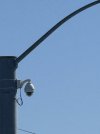
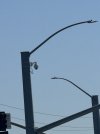

zddoodah
Moderator
A camera can't do anything other than take pictures.
Do you have a legal question?
If you do have a legal question, you should be aware that the central valley of California encompasses approximately 18,000 square miles and covers roughly 18 counties (or portions thereof) and hundreds of municipalities.
Do you have a legal question?
If you do have a legal question, you should be aware that the central valley of California encompasses approximately 18,000 square miles and covers roughly 18 counties (or portions thereof) and hundreds of municipalities.
chris20984
New Member
So for this camera (not like red light cameras) they can't issue tickets or lead law enforcement to issue tickets? Also what are they called. No legal question. These are in fact my final questions here.A camera can't do anything other than take pictures.
Do you have a legal question?
If you do have a legal question, you should be aware that the central valley of California encompasses approximately 18,000 square miles and covers roughly 18 counties (or portions thereof) and hundreds of municipalities.
zddoodah
Moderator
So for this camera (not like red light cameras) they can't issue tickets or lead law enforcement to issue tickets?
A camera cannot "issue" anything, and the question you're asking is not what you likely intended to ask. A camera is a machine. It is capable of one thing only: taking pictures. A camera might be used by a public entity (or a private entity licensed by a public entity), and that entity can issue tickets.
I haven't the slightest idea what the cameras in the two pictures in your original post are called (beyond "cameras"). For that matter, I cannot state with absolute certainty that either of your pictures includes a camera. Also, without more information, I cannot intelligently comment on the purpose of the cameras in your photos (if, in fact, they are cameras). Perhaps your non-legal questions could be answered on a forum dedicated to photography.
Tax Counsel
Moderator
from the Central Valley. What are these cameras called and can they issue tickets?
This is a type of camera called a PTZ (Pan-Tilt-Zoom) dome security camera. Placed up high on a pole they are excellent for getting a wide view of larger area like an intersection. They don't have radar to measure speed and are typically not connected to the traffic light system to catch red light offenders. The camera needs to be lower down to capture the image of the driver and the license plate to be useful for red light violations. Instead, they are used for things like monitoring how much traffic is passing through the intersection which can then trigger changes in the timing of the lights to keep traffic flowing smoothly, providing police with a fast way to assess what is happening when they receive a call about an accident or trouble at the intersection to dispatch the right assistance needed, etc.

army judge
Moderator
from the Central Valley. What are these cameras called and can they issue tickets?
Traffic Cameras and Automated Enforcement in California
2. Is it legal to receive a citation from a traffic camera in California?
Yes, it is legal to receive a citation from a traffic camera in California. The California Vehicle Code allows for automated enforcement systems to be used for enforcing certain traffic violations. However, the citation must still follow due process and meet certain requirements outlined by law to be considered valid.
3. What are the requirements for issuing a citation from a traffic camera in California?
According to the California Vehicle Code Section 21455.5, the following requirements must be met for issuing a citation from a traffic camera:
– The system used must capture two photos or one video of the vehicle violating the law
– The registered owner of the vehicle must be served with notice of violation within 15 days after commission of violation
– The notice must include information on how to pay or contest the violation
– The notice must include information on viewing evidence of violation
In addition, before installing an automated enforcement system, local authorities must conduct an engineering and traffic survey to determine if there is a pattern of violations at that location.
4. Can I contest a citation received from a traffic camera in California?
Yes, you can contest a citation received from a traffic camera in California. After receiving notice of violation, you can request an administrative review hearing within 20 days or challenge the citation through the court system.
5. Are there any restrictions on where traffic cameras can be placed in California?
There are some restrictions on where traffic cameras can be placed in California. Local authorities are required to conduct an engineering and traffic survey to determine if there is a pattern of violations at the location before installing an automated enforcement system.
Additionally, the California Vehicle Code states that automated enforcement systems may only be used at intersections where there is a demonstrated need for enforcement due to excessive collisions or red light running violations.
2. Are there any specific restrictions on the use of traffic cameras in California?
Yes, there are several restrictions on the use of traffic cameras in California:1. Location Restrictions: Traffic cameras can only be placed in specific locations designated by the California Department of Transportation (Caltrans). These locations must have a history of high accident rates or other unsafe conditions.
2. Warning Sign Requirement: Caltrans requires that warning signs be displayed within 200 feet of a traffic camera stating that motorists may encounter a traffic camera.
3. Limitations on Types of Cameras: Only fixed and mobile automated enforcement systems are permitted in California. Red light cameras, stationary speed cameras, and handheld speed detection devices are not allowed.
4. Public Notice Requirements: Each city or county using traffic cameras must provide public notice at least 30 days before activating a new traffic camera system.
5. No Secret Recording: Motorists must be clearly informed that they are being recorded by a traffic camera system.
6. Use for Safety Purposes Only: The primary purpose of using traffic cameras is to improve safety and reduce accidents, not to generate revenue.
7. No Coercion or Discrimination: Motorists cannot be coerced into paying a fine or face discrimination based on their decision to contest an alleged violation captured by a traffic camera.
8. Proper Maintenance and Calibration: Traffic camera systems must be regularly maintained and calibrated according to manufacturer specifications to ensure accuracy and reliability.
9. Privacy Protections: Personal information collected by traffic cameras, such as license plate numbers, must be kept confidential and not shared with third parties without consent or legal authority.
10. Legal Review Process: Motorists who receive a citation from a traffic camera have the right to contest the violation through an administrative review process or in court if necessary.
3. How do I contest a traffic ticket received from an automated enforcement system in California?
If you have received a traffic ticket from an automated enforcement system in California and wish to contest it, here are the steps you can take:1. Review the ticket: Look closely at the ticket for any factual errors or discrepancies that could help your case.
2. Determine the type of violation: Automated enforcement systems in California can issue tickets for red light violations, speeding violations, and toll violations. Make sure you know which type of violation you are being cited for.
3. Request a court hearing: If you want to contest the ticket, you must request a court hearing within 60 days of receiving the citation. You can do this by filling out and sending back the "Not guilty" plea on the citation or by contacting the court listed on the citation.
4. Gather evidence: Collect any evidence that could support your case, such as witness statements, photographs, or documentation.
5. Prepare for your hearing: Familiarize yourself with California traffic laws and come up with a strong argument to present in court.
6. Attend your hearing: On your scheduled court date, appear in court prepared to plead your case. Be sure to bring all relevant evidence with you.
7. Present your case: When it is your turn to speak, present your argument to the judge clearly and concisely. Be prepared to answer any questions from the judge.
8. Wait for the decision: After both sides have presented their cases, the judge will make a decision on whether to dismiss or uphold the ticket.
9. Appeal if necessary: If you are not satisfied with the outcome of your case, you have 30 days from when judgment is entered to appeal it.
It is important to note that contesting an automated enforcement ticket can be a complex process and it may be helpful to seek legal advice from a qualified attorney who has experience with these types of cases.
4. Can a police officer issue a citation based solely on evidence from a traffic camera in California?
Yes, in California a police officer can issue a citation based solely on evidence from a traffic camera. This is known as a "photo enforcement ticket" and it is considered valid because the camera captures the same information that an officer would observe if they witnessed the violation in person. However, there are certain requirements and procedures that must be followed for the citation to be considered valid, including notifying the registered owner of the vehicle and providing them with an opportunity to contest or pay the fine.5. Are there any privacy concerns surrounding the use of traffic cameras in California?
There are some privacy concerns surrounding the use of traffic cameras in California. Some argue that these cameras could potentially capture personal information, such as license plate numbers and vehicle movements, which can be seen as an invasion of privacy. Additionally, there may be concerns about who has access to the footage captured by these cameras and how it is stored and used. This raises questions about potential surveillance and government overreach.In response to these concerns, California has passed laws that limit the use of traffic cameras for law enforcement purposes. For example, the state's Vehicle Code restricts the use of automated traffic enforcement systems (ATE) to red light violations and speeding in school zones. Any other uses must be approved by local governments and have proper signage notifying drivers of their presence.
However, with the rise of emerging technologies, there are also concerns about the potential for facial recognition software or artificial intelligence to be incorporated into traffic cameras, further increasing potential privacy violations. To address these concerns, there have been calls for increased oversight and transparency in how traffic camera footage is used and shared.
Overall, while traffic cameras can serve to improve public safety and reduce accidents on roads, it's important for laws and regulations to address any potential privacy issues associated with their use.
6. How accurate are traffic cameras used for automated enforcement in California?
The accuracy of traffic cameras used for automated enforcement in California depends on several factors, including the quality of the camera system, maintenance and calibration, and the specific regulations and guidelines set by the state. Overall, traffic cameras used for automated enforcement are considered to be highly accurate and reliable.California has strict requirements for the use of traffic cameras, including rigorous testing and certification processes. The state also requires regular maintenance and calibration of camera systems to ensure accurate readings. Additionally, operators are required to be trained and certified in order to operate these cameras.
In a study conducted by the Insurance Institute for Highway Safety (IIHS), it was found that red light cameras in California had a high level of accuracy with only 0.2% error rate. This means that out of every 10,000 violations issued, only 20 were errors.
However, there have been some instances where errors or malfunctions have occurred with traffic cameras in California. These can include technical issues with the camera equipment or human error in reviewing footage or issuing citations. In such cases, there are processes in place where drivers can contest their citation if they believe it was issued incorrectly.
Overall, while no system is completely infallible, traffic cameras used for automated enforcement in California are considered to be highly accurate and reliable.
7. What penalties can I expect if caught violating a red light by a traffic camera in California?
If caught violating a red light by a traffic camera in California, the penalties will vary depending on the city or county where the violation occurred. However, in general, the penalties for a red light camera ticket may include:1. Fine: The fine for running a red light can range from $100 to $500, but it can be higher in certain areas.
2. Traffic School: In some cases, you may have the option to attend traffic school instead of paying the fine. However, this option may not be available if you have multiple violations on your record.
3. Points on Your Driving Record: A red light camera ticket is considered a moving violation and will result in one point being added to your driving record.
4. Increased Insurance Rates: A red light camera ticket may also result in an increase in your car insurance rates.
5. License Suspension or Revocation: If you accumulate too many points on your driving record within a certain time period, your license could be suspended or revoked.
6. Additional Fees and Penalties: Some cities or counties may add administrative fees on top of the fine for red light camera violations.
7. Warrant for Arrest: Failure to pay the fine or resolve the ticket could result in a warrant being issued for your arrest.
It's important to note that penalties may vary depending on individual circumstances and local laws, so it's best to consult with an attorney familiar with traffic laws in your area if you receive a red light camera ticket in California.
8. Is there a limit on the number of traffic cameras allowed per mile/kilometer in California?
There is no specific limit on the number of traffic cameras allowed per mile or kilometer in California. The placement and installation of traffic cameras are typically determined by local regulations and the specific needs of a particular area or road. However, the use of these cameras must comply with state laws and guidelines governing traffic enforcement and public surveillance.9. Do other types of violations, such as speeding, get recorded by traffic cameras in California?
In California, traffic cameras are primarily used for enforcing red light violations and toll violations. Some municipalities may also use traffic cameras to enforce other types of violations, such as speeding or illegal turns. However, the use of traffic cameras for these purposes varies by location and is not as widespread as red light and toll enforcement. It is important to check with the local government or law enforcement agency in your area to determine if they use traffic cameras for other types of violations.10. How are revenues from traffic fines collected by automated enforcement systems utilized in California?
The revenues from traffic fines collected by automated enforcement systems in California are typically used for public safety programs and initiatives. These may include:1. Funding for law enforcement agencies: A portion of the revenues may be provided to local law enforcement agencies to support their operations, such as purchasing new equipment, training officers, or hiring additional personnel.
2. Transportation projects: In some cases, the revenues may be used to fund transportation projects that improve road safety and reduce traffic congestion in the state.
3. School zone safety programs: Some cities use the funds to enhance safety around school zones. This may include installing speed bumps, crosswalks, or other traffic calming measures.
4. Victim compensation: The state also uses a portion of these fines to provide financial assistance to victims of crime or their families.
5. Traffic safety education programs: The state may use the funds to educate drivers about road safety and promote safe driving through campaigns and outreach programs.
6. Court costs and administration fees: A portion of the revenues goes towards court costs and administrative fees associated with prosecuting traffic violations.
7. Red-light camera maintenance: Revenues generated from red-light cameras are often used to cover the cost of maintaining and operating these systems.
8. General fund: In some instances, a percentage of the revenues is deposited into the state's general fund and can be used for various purposes, including balancing the budget or funding other government initiatives.
It is important to note that each city may allocate these revenue differently based on its specific needs and priorities. However, all funds must be used in accordance with state laws and guidelines.
11. Are there designated areas where red light or speed cameras are not allowed to be placed in California?
Yes, red light and speed cameras are not allowed to be placed on state highways or within 200 feet of the border between California and another state. They also cannot be placed in school zones where the speed limit is only enforced during certain hours, on highways with a speed limit above 65 mph, or at intersections with warning signs indicating the presence of a traffic camera.12. Can I access footage captured by a traffic camera for my own defense in court proceedings in California?
Possibly, but it would depend on the specific circumstances and laws in your jurisdiction. Traffic cameras are typically owned and operated by local governments or law enforcement agencies, so they may have their own policies and procedures for accessing footage for legal purposes.In California, the Public Records Act allows individuals to request access to public records, including traffic camera footage, from government agencies. However, there are certain limitations and exemptions that may apply. For example, video footage taken by law enforcement during an ongoing investigation may not be released until the investigation is completed.
Additionally, if you received a traffic citation based on evidence from a traffic camera, you may be able to request access to the footage as part of your defense in court. The specific process for obtaining this footage will vary by county and court jurisdiction.
It is important to consult with an attorney familiar with California laws regarding traffic cameras and evidence in court proceedings to determine the best course of action for your specific situation.
13. Who is responsible for maintaining and monitoring the accuracy of traffic cameras in California?
The California Department of Transportation (Caltrans) is responsible for maintaining and monitoring the accuracy of traffic cameras in California.14. Are there alternatives to paying fines issued by automated enforcement systems in California, such as attending traffic school?
Yes, there are alternatives to paying fines issued by automated enforcement systems in California. One option is attending traffic school, which may be offered as an alternative for certain traffic violations, including those captured by automated enforcement systems. If you complete traffic school successfully, the citation will typically be dismissed and no points will be added to your driving record.However, not all jurisdictions offer this option for citations issued by automated enforcement systems. It is best to check with the specific county or city where you received the citation for more information on available alternatives to paying fines.
15. Do all counties/cities within California have the same laws and regulations regarding traffic cameras and automated enforcement?
No, laws and regulations regarding traffic cameras and automated enforcement can vary from county to county and city to city within California. Each county or city may have its own rules and policies regarding the use of traffic cameras, such as for red light cameras or speed cameras, and the enforcement of traffic violations through automated systems. It is important to research the specific laws and regulations in your local area.16. Is there a threshold for how many vehicles must pass through an intersection before a red light violation is issued by a camera system in California?
Yes, in California, an intersection must have an average of at least 6 vehicles per hour turning left, or at least 5 vehicles per hour traveling straight through the intersection, before a red light violation can be issued by a camera system. This is outlined in the California Vehicle Code Section 21455.5 (b)(1).17. What is the process for disputing multiple tickets received from different automated enforcement systems (e.g., speeding and red light) in different parts of California?
If you have been issued multiple tickets from different automated enforcement systems in different parts of California, there are a few potential options for disputing them.1. Challenge the accuracy of the citations: The first step in disputing any citation is to challenge the accuracy of the information presented on the ticket. This includes verifying that the time and location of each violation was correctly recorded and that your vehicle was actually involved in each incident. You can also request copies of any photos or videos taken by the enforcement system to further examine the evidence.
2. Request a trial: If you believe you were not responsible for any of the violations, you can request a trial for each individual ticket. This would involve appearing in court and presenting evidence and arguments to support your case.
3. Consolidate hearings: Alternatively, you can try to consolidate all of your hearings into one court appearance by contacting each court where your tickets have been filed and requesting that they be combined into one case. This may save you time and money, as well as minimize any potential conflicts between court dates.
4. Hire a lawyer: If disputing multiple tickets becomes overwhelming or if you do not have enough evidence to support your case, hiring a lawyer who specializes in traffic law may be beneficial.
5. Consider traffic school: Depending on the severity of your violations, you may have the option to attend traffic school instead of directly paying fines for each citation. Successfully completing traffic school would typically result in reduced or dismissed charges, but this option is only available under certain circumstances.
Ultimately, it's important to carefully review all of your options before deciding how to proceed with disputing multiple tickets received from different automated enforcement systems in California. The process may vary slightly depending on the specific details of each situation, so it's recommended to seek legal advice if needed.
18.They're has been concern over the reliability of traffic camera footage, how are these issues addressed in California?
In California, traffic cameras must meet specific regulations and undergo regular maintenance to ensure their accuracy and reliability.1. Regular Calibration: Traffic cameras are required to be calibrated on a regular basis, typically every six months or annually. This ensures that the cameras are accurately recording speed and red light violations.
2. Routine Maintenance: The traffic camera system must go through routine maintenance to address any technical issues that may affect the accuracy of the footage.
3. Verification of Timestamps: All traffic camera footage must include a date and time stamp. This allows for the verification of the footage to ensure it corresponds with the actual violation incident.
4. Certification Requirements: Traffic camera operators in California are required to hold a valid certification from the manufacturer or an accredited training program. This ensures that those operating the cameras have been properly trained and are knowledgeable about maintaining and verifying accurate footage.
5. Audits: The Department of Transportation periodically conducts audits on traffic camera systems to ensure they are functioning properly and complying with state regulations.
6. Legal Restrictions on Editing Footage: It is illegal for anyone to alter or edit traffic camera footage in any way, except as necessary for calibration and maintenance purposes.
7. Admissibility in Court: Traffic camera footage is only admissible as evidence in court if it meets all legal requirements, including proper calibration, maintenance, and verification of timestamps.
Overall, California has strict regulations and measures in place to ensure the accuracy and reliability of traffic camera footage in order to maintain public confidence in these systems.
19. Can I request to have a traffic camera removed from my neighborhood in California if it has caused unsafe conditions for drivers?
Traffic cameras in California are regularly maintained and serviced by the relevant transportation agency responsible for the camera. This can vary depending on the specific location and agency, but many agencies have procedures in place for routine maintenance and inspection of traffic cameras to ensure they are functioning properly. Some common practices include weekly or monthly visual inspections, regular cleaning, and testing of equipment and software. Additionally, any reported malfunctions or inconsistencies would likely be addressed promptly through repairs or adjustments by the agency.
Traffic Cameras and Automated Enforcement in California – State Regs Today
 www.stateregstoday.com

California Will Let Radar Cameras Write You A Ticket Automatically Under New Laws | Carscoops
New laws cover everything from speeding, electric bikes, vehicle impounds, autonomous vehicles, and more
 www.carscoops.com
